



In the fast-moving world of digital experiences, designers and developers are constantly adapting to new tools, new interfaces, and new expectations. What felt cutting-edge a year ago may already feel outdated today. But with a thoughtful approach, it’s possible to stay ahead and shape products that feel timeless—functional, beautiful, and grounded in real user needs.
Design and technology evolve fast
Rather than chasing every trend, the smartest creators focus on building systems that help them think clearly and move quickly. Design and technology evolve fast, but your process doesn’t have to feel chaotic. With the right routines, you can move from concept to prototype to production with confidence, clarity, and a bit of creative joy.
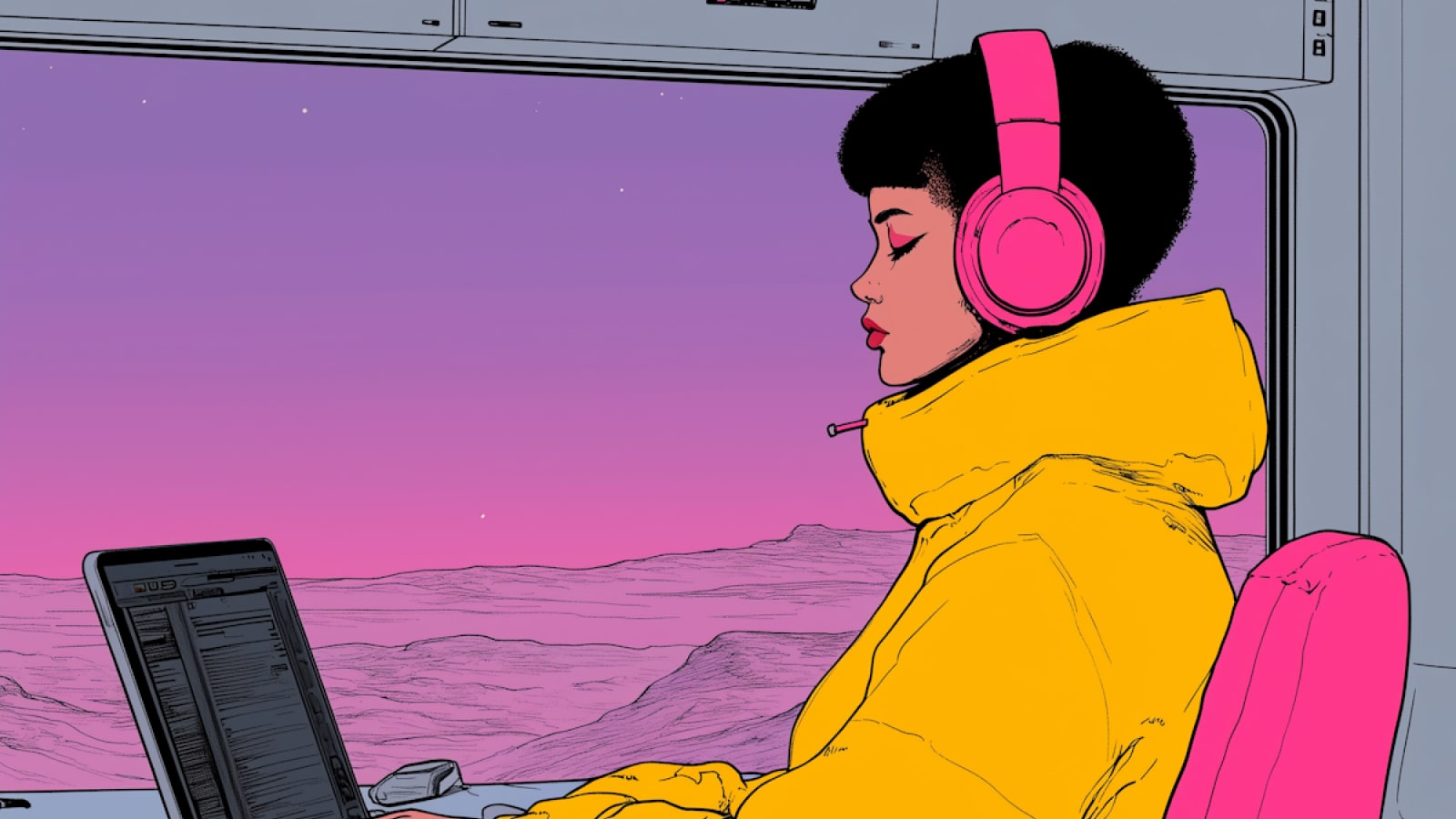
As AI-powered assistants become more embedded in creative workflows, they act as both collaborators and accelerators. These tools help brainstorm concepts, generate mood boards, and even write interface microcopy, freeing designers to focus on higher-level problem-solving. The future lies not in replacing creativity, but in amplifying it through well-curated digital support.
Start Each Project With Strong Intent
Every product begins with a decision: what problem are we solving? When teams skip this step, they often end up layering features instead of creating purposeful solutions. Whether you’re redesigning an interface or building a completely new experience, defining your intent early helps eliminate unnecessary complexity later. Strong projects come from strong beginnings, and clarity is always the best starting point.

Lean Into Tools That Amplify Your Workflow
- Choose design tools that support fast iteration, not perfection.
- Use AI-powered assistants to automate repetitive, low-impact tasks.
- Build reusable component libraries for consistent visual language.
- Integrate version control early so collaboration stays clean.
- Adopt workflows that reduce context switching and decision fatigue.
Visual Development Tools
Modern workflows also benefit from the rise of visual development tools. From intuitive prototyping apps to no-code automation platforms, these tools help designers and developers accelerate idea validation without sacrificing quality. The key is knowing when to rely on these shortcuts and when to switch back to traditional coding for full control.
Good design isn’t decoration—it’s problem-solving with intention.
Anonymous
Product Thinking and Design Thinking
Another shift happening in the industry is the merge between product thinking and design thinking. Teams are no longer designing screens in isolation—they are designing entire systems. This mindset encourages deeper collaboration between engineers, designers, and stakeholders, ensuring each feature supports a cohesive user journey rather than a single interaction.
Design With Empathy, Not Assumptions
- Test your ideas with real users, even if you start with rough sketches.
- Ask deeper questions about behavior, not just visual preferences.
- Consider accessibility from the very first wireframe.
- Find inspiration outside your industry—not everything needs to be flat or minimal.
- Iterate based on feedback, not ego.
Lastly, the growing emphasis on accessibility is reshaping how the industry defines quality. Design systems are now expected to be flexible, inclusive, and lightweight—capable of adapting to diverse audiences without compromising aesthetics. Building with accessibility from the start leads to cleaner code, clearer layouts, and products that simply feel better for everyone.
Conclusion
When you simplify your process and build habits that support creativity, you free yourself to focus on what truly matters: solving real problems for real people. Great tech and great design don’t come from rushing or adding more. They come from clarity, courage, and curiosity.
As the digital landscape continues to shift, the most important skill you can develop is adaptability. With a disciplined workflow and a willingness to explore new ideas, you can create products that are both innovative and meaningful—today and in the years ahead.





Leave a Reply