


There is something about window light that feels endlessly familiar. It changes throughout the day, but it always carries the same sense of calm. It doesn’t demand attention. It simply exists, shaping the space around it.
Most of these photographs were taken in the late afternoon, when the light begins to soften and the shadows stretch across the room. At that time, even ordinary spaces start to feel intentional.
I rarely move objects when I shoot indoors. I prefer to work with what is already there — the way the light falls across a table, the reflection on a glass surface, the subtle shift in tone from one corner of the room to another.
Photography, in moments like this, becomes less about composition and more about awareness. Noticing how the light changes. Seeing how small details interact. Allowing the scene to unfold without interference.
There is no need to add complexity. The simplicity is what gives the image its strength.
This project was built around exploring the rhythm of the city. Not just the architecture, but the movement, the patterns, and the subtle interactions that happen every day. The goal wasn’t to capture something extraordinary, but to find meaning within the ordinary.
Finding the Right Locations
The first step in any urban project is location scouting. Cities are full of potential, but not every corner translates well into a photograph. Light, background, and movement all play a role in determining whether a location works.
I spent several days walking through different areas, revisiting the same streets at different times. What looked flat in the afternoon could become dynamic in the early morning or just before sunset.
What I look for when scouting:
- Strong lines and architectural structure
- Natural framing elements like doorways or shadows
- Consistent or interesting light direction
- Backgrounds that don’t distract from the subject
- Areas with predictable human movement
This process takes time, but it creates a strong foundation for the shoot itself.
Working with Light and Timing
Light is one of the most important elements in urban photography. It shapes the mood, defines the subject, and can completely transform a scene.
Instead of relying on artificial lighting, I prefer to work with what’s available. This means paying close attention to how light moves through the city during the day.
Key moments I focus on:
- Early morning for soft, diffused light
- Midday for strong contrast and shadows
- Late afternoon for warm tones and depth
- Evening for artificial lights and reflections
Understanding these patterns allows you to plan your shots more effectively while still leaving room for spontaneity.
Capturing Movement and Human Elements
Cities are constantly moving, and that movement adds life to a photograph. A static scene can feel empty, but the right human element can bring everything together.
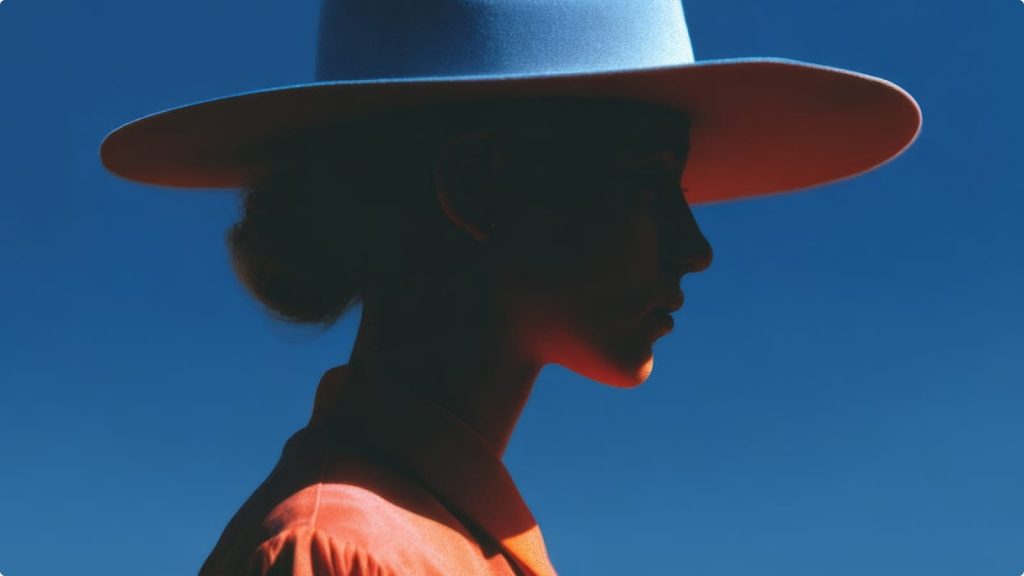
The challenge is timing. You often have to wait for the right person, the right pace, or the right interaction to enter the frame.
Approaches that help capture better moments:
- Staying in one location and waiting patiently
- Observing patterns in how people move
- Anticipating moments rather than reacting to them
- Keeping compositions simple to highlight movement
These small decisions make a significant difference in the final image.
The Process Behind Each Shot
What most people don’t see is how many frames it takes to get one image that works. It’s rarely about capturing something perfectly on the first attempt.
Each shot involves adjusting angles, experimenting with framing, and sometimes returning to the same spot multiple times.
Typical workflow during a shoot:
- Set up a composition based on the environment
- Test exposure and adjust settings
- Observe the scene and wait for movement
- Capture multiple variations of the same frame
- Review quickly and refine the approach
This process repeats throughout the day, often with small changes that gradually improve the result.
Editing and Refining the Final Images
Post-processing is where everything comes together. The goal is not to completely transform the image, but to enhance what’s already there.
I focus on maintaining a natural look while improving clarity, contrast, and overall balance. Urban photography benefits from subtle adjustments rather than heavy edits.
Editing focus areas:
- Correcting exposure and contrast
- Enhancing shadows and highlights
- Adjusting color tones for consistency
- Removing distractions when necessary
- Keeping the overall mood true to the original scene
A restrained approach helps preserve the authenticity of the moment.
What This Project Taught Me
Every project brings its own challenges and insights. This one reinforced the importance of patience and attention to detail.
Urban environments can feel chaotic, but within that chaos, there are patterns waiting to be discovered. The more time you spend observing, the more those patterns begin to reveal themselves.
This project wasn’t just about capturing images. It was about learning to see differently, to slow down, and to find structure within movement. And in many ways, that process continues with every shoot.
Leave a Reply